
The demand for poultry products continues to rise, especially in hot regions where access to high-quality protein sources is crucial. However, hot climates with high humidity pose challenges to poultry production, leading to decreased performance. Heatstop offers a specialized solution to these challenges. It is an indispensable support for those looking to prevent and alleviate heat stress in poultry.
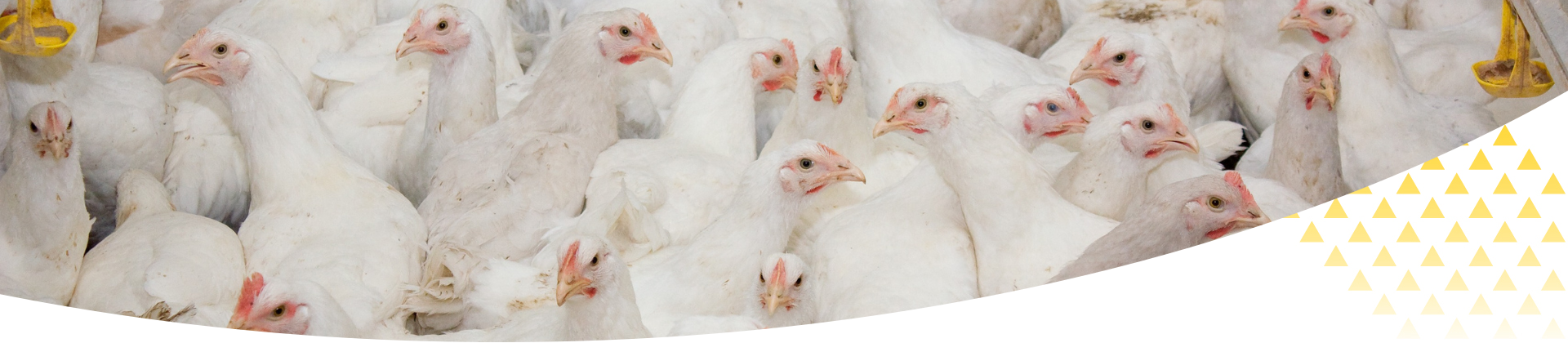
How to help your broilers withstand hot temperatures
22 Mar 2026How do chickens respond to heat?
When birds experience thermal heat stress, they adjust their behaviour and even some bodily functions to regulate their body temperature. Behavioural adjustments can occur rapidly and at less cost to the bird than most physiological adjustments. Adult chickens need 3 to 5 days to acclimatize to both hot and cold environments.
Behavioural responses
As ambient temperature increases above the comfort zone, chickens will:
- Consume more water (immediately) and less feed (after a few hours)
- Reduce activities such walking and standing
- Distance themselves from each other
- Stand with their wings drooped and lifted from the body
Physiological responses
The physiological responses to heat stress in birds involve the functional integration of several organs to meet the metabolic needs of birds that are trying to dissipate heat and maintain homoeostasis.
These responses include:
- Increased blood flow to the skin
- Partial feather loss (particularly in battery hens during the laying cycle)
- Panting (which may cause alkalosis)
Good to know: at ambient temperatures above 25 ° C, some breeds known as « naked neck chickens » possess superior growth rate, viability, egg weight and reproductive performance.
How can nutrition help?
Chickens’ feed intake decreases by about 1.5 % for every 1° rise above 20 °C. This necessitates a diet reformulation for adequate nutrient intake. Increasing dietary fat levels reduces heat production, since fat has a lower heat increment than either carbohydrate or protein. Optimizing the amino acid balance at the lowest possible protein levels minimizes excess heat production during metabolism.
Heatstop, the water-soluble solution
Heatstop is a targeted solution to help prevent and combat heat stress in broilers. It is a water-soluble supplement containing a carefully balanced combination of buffers, electrolytes, and vitamins. Acting as a natural diet support, Heatstop helps prevent blood alkalosis and supports the restoration of normal blood pH levels. As a result, feed intake, growth rate, and weight gain are maintained under hot conditions.
Conclusion
In hot climates, managing heat stress is essential for maintaining broiler performance and ensuring profitability. With Heatstop, poultry producers can rely on a comprehensive solution to mitigate the negative effects of heat stress and optimize broiler production in challenging environmental conditions.